Uncategorized · 27 November 2026
Choosing Serving Bowls for Dal, Sabzi and Raita: Capacity Before Piece Count
Quick answer
Choose serving bowls around the amount of each dish you put on the table—not the number of pieces in a set. Measure a familiar meal, allow room for serving, and check the bowl with your usual ladle. Treat advertised capacity as a starting point unless the maker explains its fill level. Check microwave, dishwasher and lid instructions separately: a microwave-safe bowl can come with a lid that must not be heated. (myborosil.com)
1. Start with the dishes you serve together
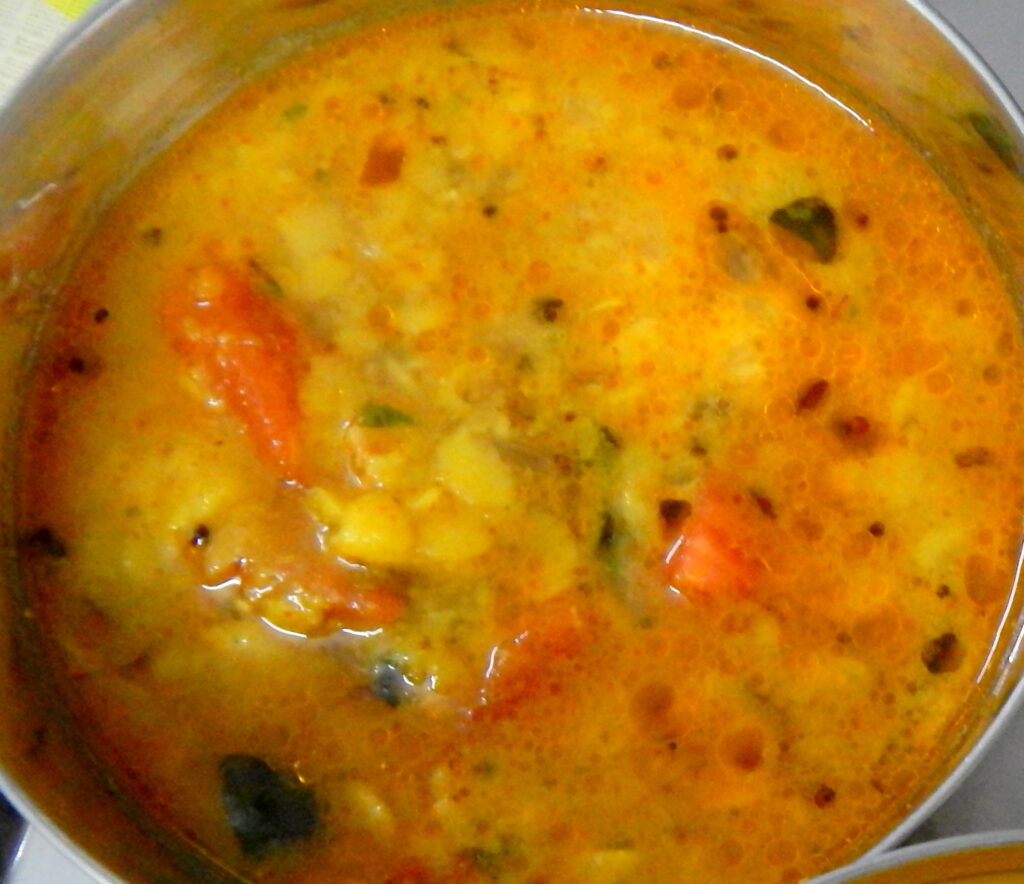
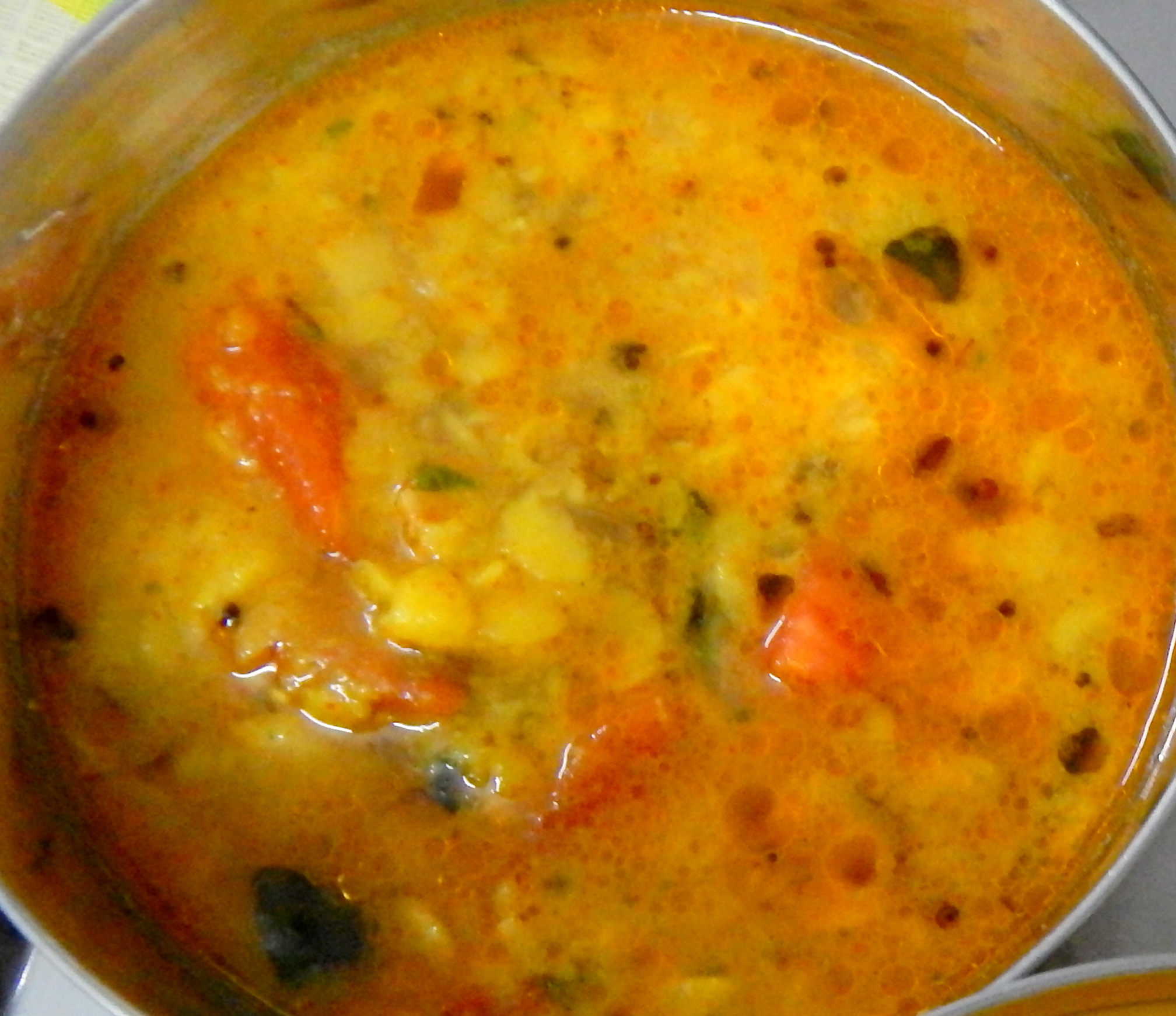
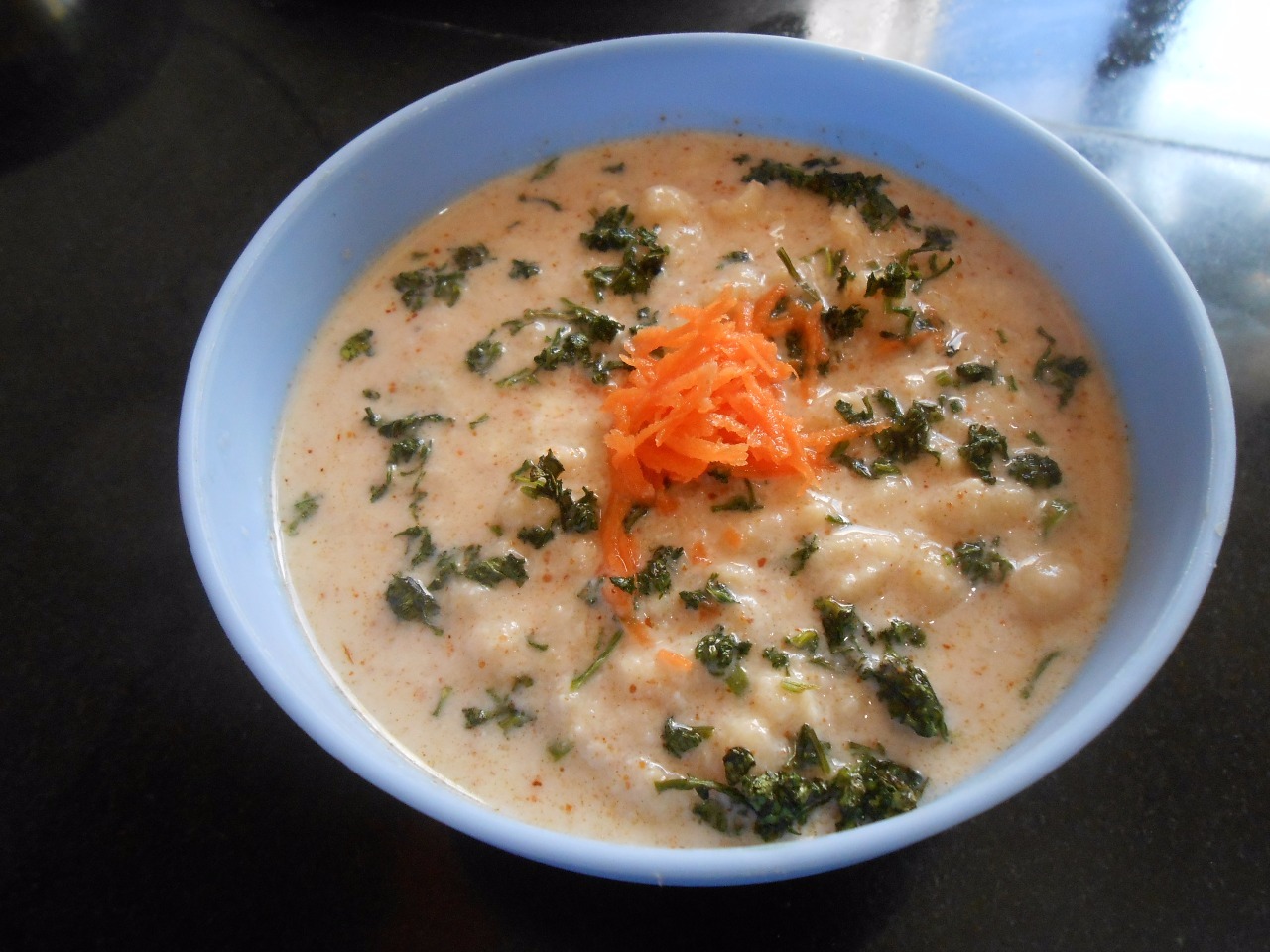
Before comparing sets, write down one ordinary meal: perhaps dal, dry sabzi and raita, with rice or rotis served separately.
Give each dish its own requirement. How much goes on the table initially? Will you bring out the whole batch or refill during the meal? Do you regularly serve two vegetable dishes rather than one?
A useful starting worksheet is:
| Dish | What to record | What to check in the bowl |
|---|---|---|
| Dal | Volume at your usual finished consistency | Room to dip and lift the ladle |
| Dry sabzi | Space occupied without pressing it down | Access for a broad serving spoon |
| Raita | Finished volume after adding vegetables or boondi | Comfortable stirring and spoon clearance |
Measure your own food rather than adopting a universal “per person” quantity. For this buying exercise, include whatever seconds you intend to place on the table.
Then count usable vessels, not just advertised pieces. Ask for the contents list: how many bowls are there, what is each capacity, and are lids or spoons included in the headline count?
A set only earns its cupboard space if its individual bowls match jobs you actually have.
2. Separate brimful capacity from practical serving capacity
Brimful capacity is the volume a bowl holds up to its rim. Practical serving capacity, as used here, is the amount you can serve comfortably while leaving room for the utensil and normal movement.
Do not assume a product’s stated capacity is measured to either level unless the manufacturer says so. The Borosil product pages examined for this guide list capacities and dimensions but do not explain the capacity measurement method. (myborosil.com)
For a bowl you already own, try this room-temperature water check:
- Place it on a level worktop.
- Add measured water to a level you would comfortably carry.
- Insert your normal ladle or spoon.
- Practise a gentle serving motion over the sink.
- Record that volume as your preferred working fill.
If you also measure to the rim, record the two figures separately. Neither figure establishes a safe cooking or microwave fill limit; those depend on the product’s instructions.
For an initial shortlist, you could choose to reserve 20% of stated capacity as headroom. This is an illustrative shopping allowance—not a standard, a manufacturer recommendation or proof that every bowl works well at that level.
The calculation is:
Required stated capacity = intended food volume ÷ 0.8
For example, 600 ml of dal would suggest a 750 ml bowl under that assumption. The next check is physical: does the ladle fit, and can you serve without crowding the rim?

3. Use a worked meal layout, then adjust it
The following layouts are examples, not recommended dietary portions. They assume the listed food goes on the table at once, with rice or rotis separate and no planned refill.
The four-person example simply doubles the two-person quantities. Your household may need a different balance.
| Dish | Assumed food volume for two | Calculated capacity with 20% headroom | Assumed food volume for four | Calculated capacity with 20% headroom |
|---|---|---|---|---|
| Dal | 400 ml | 500 ml | 800 ml | 1,000 ml |
| Sabzi, loosely filled | 350 ml | About 440 ml | 700 ml | 875 ml |
| Raita | 200 ml | 250 ml | 400 ml | 500 ml |
For the two-person layout, begin by examining bowls around 500 ml for dal and sabzi, plus a smaller raita bowl. For the four-person layout, examine roughly 1 litre for dal and sabzi, plus 500 ml for raita.
These are shortlisting sizes, not guaranteed fits. Choose a larger bowl if the spoon crowds the opening or the food sits too close to the rim. For sabzi, reproduce its loose arrangement rather than compressing it to meet a number.
Alternatively, decide to refill. If you prefer a less crowded table, calculate for the amount brought out initially rather than buying bowls large enough for the entire cooked batch.
Repeat this exercise for a second familiar meal before purchasing. That helps reveal whether you need three different sizes or two interchangeable medium bowls.

4. Check dimensions, ladle clearance and stability
Capacity alone does not tell you whether a bowl will fit your table, cupboard or hand.
For concrete examples, Borosil lists its white-lid 750 ml bowl, SKU BGFGBBWLEC0039, at 15 × 15 × 8 cm. Its unlidded 1 litre bowl, SKU BGFGBBWL0024, is listed at 17 × 17 × 8.8 cm. These are manufacturer specifications, not independent measurements. (myborosil.com)
Use those measurements as a reminder to request dimensions as well as millilitres. Do not calculate exact capacity from outside dimensions: wall thickness and the interior profile remain unknown.
When inspecting a bowl, make these practical checks:
- Ladle clearance: Can the ladle enter, turn and lift without catching the rim?
- Spoon access: Can you reach food near the sides without holding the bowl?
- Resting position: Does the handle remain accessible, or does the utensil slide inside?
- Stability: Does the bowl sit without rocking on a flat surface?
- Grip: Can you lift it with both hands while keeping fingers clear of the food?
Check stability empty first, then repeat gently with room-temperature water at your intended fill level. Do not use hot dal for a handling trial.
For online purchases, request a side view and a photograph of the base if the listing does not show them. If opening diameter, weight or dimensions with handles are missing, treat them as unknown—not details that can be reliably estimated from a photograph.
5. Match the exact bowl to heating, cleaning and food contact
Avoid choosing a material through a blanket label such as “best” or “safest.” Instead, match the exact product to its intended work.
If reheating in the serving bowl matters: require explicit microwave instructions. Borosil permits microwave use for the glass body of the white-lid bowl examined here, but specifically prohibits putting its plastic lid in a microwave or conventional oven. Its care directions also prohibit direct-flame use and placing the hot dish on a cold or wet surface. (myborosil.com)
If dishwasher cleaning matters: verify it for the exact product and its components. Borosil permits dishwasher washing for its listed 1 litre glass bowl. IKEA describes its stainless-steel BLANDA BLANK 36 cm serving bowl as dishwasher-safe. Neither statement establishes dishwasher suitability for every glass or steel bowl. (myborosil.com)
If considering metal for microwave reheating: do not infer permission from dishwasher suitability. FDA guidance says metal pans generally should not be used in microwave ovens and directs users to their appliance instructions for suitable containers. (fda.gov)
If considering pottery or decorative ceramics: establish that the item is intended for food use. FDA warns that some improperly manufactured traditional pottery can release lead into food, and decorative ware carrying a non-food-use warning must not be used for serving. This is a product-specific concern, not evidence that all ceramic bowls are unsuitable. (fda.gov)
Keep a simple rule: permission to serve food, microwave it, heat it on a hob and wash it mechanically are separate questions.
6. Make lids and nesting earn their space
Choose a lid for a defined job: covering food at the table, refrigerated storage or an explicitly permitted heating use. Do not assume one lid does all three.
For a lidded bowl, check:
- Can the lid be lifted easily?
- Where will you put it during serving?
- Can it close with the serving spoon in place?
- Are cleaning and heating instructions supplied for the lid itself?
- Does the manufacturer actually permit transport with food inside?
Unless transport performance is documented, plan to carry the bowl upright rather than treating it as a lunch container.
For cupboard storage, distinguish nesting—one bowl fitting inside another—from stacking closed, lidded bowls. IKEA explicitly says smaller BLANDA sizes can be placed inside larger bowls from the same range. That is useful documented information, but not proof that unrelated bowls will nest neatly together. (ikea.com)
Ask for the nested height where available. Otherwise, check the assembled group yourself, including any protective separators you intend to use. Make sure you can remove the middle bowl without dismantling an awkward tower.
Finally, allocate space for the lids. A compact bowl stack is less helpful if its covers have nowhere accessible to go.
7. Handle hot food carefully and finish with a buying checklist
Do not mistake microwave-safe for cool to touch. FDA explains that containers can become hot from the food inside them. Use suitable dry heat protection and a stable, heat-resistant resting place rather than relying on a comfortable-looking rim. (fda.gov)
For raita, bring out only what you expect to use promptly and keep the remainder refrigerated. FDA guidance calls for cold perishable food to be held at 4°C/40°F or below and hot food at 60°C/140°F or above. Without temperature control, perishable food should not sit out beyond two hours, reduced to one hour above about 32°C/90°F. A lid alone does not demonstrate that these temperatures are maintained. (fda.gov)
Before buying, confirm:
- Quantity: I know how much of each dish goes on the table.
- Capacity: I have allowed serving room rather than planning to fill to the rim.
- Utensils: My ladle and spoon fit the opening.
- Handling: The bowl sits steadily and offers a usable grip.
- Instructions: Food-contact, heating and cleaning uses are documented.
- Storage: Bowls and lids fit the available space.
- Contents: Every bowl in the set has a likely everyday job.
The aim is not the biggest collection. It is a small group of bowls that fits your food, utensils and routine without repeated compromises.