Uncategorized · 27 November 2026
Packing Dal, Rice and Roti for Lunch: Capacity, Leaks and Temperature Control
Quick answer
Plan three things separately: space for your portions, a liquid-suitable closure for dal, and temperature control until lunch. A divided tray is not necessarily sealed between compartments. For an office with a fridge and microwave, pack chilled food with cold sources, refrigerate on arrival and reheat at lunchtime. Without those facilities, use a cold-packed meal or a suitable insulated food jar—not an ordinary tiffin left warm for hours. Official guidance recommends at least two cold sources for perishable packed lunches and hot holding at 60°C/140°F or above. (FoodSafety.gov)
1. Choose the temperature plan before the lunch box
Start with your actual day: when you pack, how you travel, where the bag waits and when you eat. Count the wait before lunch, not just the commute.
Use this decision guide:
| Facilities at your destination | Suggested packing plan |
|---|---|
| Refrigerator and microwave | Carry chilled dal and rice with cold sources, refrigerate on arrival, then reheat |
| Refrigerator, no microwave | Keep the meal chilled; decide beforehand whether you want to eat it cold |
| Neither facility | Use an insulated cold-packed system, or suitable hot-holding containers for the cooked foods |
| No reliable temperature control | Change the meal to foods that do not require refrigeration |
USDA guidance calls for keeping perishable lunches cold during transport and refrigerating them on arrival when a refrigerator is available. An insulated bag needs cold sources; it is not a replacement for them. (ucanr.edu)
For cold food, use 4°C/40°F or below as the target; for hot holding, use 60°C/140°F or above. These are US consumer-guidance thresholds, not a promise that any particular bag or jar will maintain them until lunch. Check the food temperature rather than judging by how the container feels. (foodsafety.gov)
2. Size each container around your usual portions
Rather than starting with a universal “adult lunch-box size”, try packing one of your normal lunches into containers you already own.
For a capacity check:
- Measure your usual cooked rice and dal separately with a graduated measuring jug.
- Try your normal roti stack in the intended compartment.
- Add any sabzi or other side you actually carry.
- Check that every lid closes without pressing against the food.
- Place the complete arrangement in your bag alongside the cold packs and spoon.
Worked example—not a serving recommendation: suppose your measured lunch contains 250 ml of cooked rice and 200 ml of dal, plus your usual rotis. The rice and dal total 450 ml, but that does not establish the required lunch-box capacity. You still need suitable space for the rotis and enough clearance for each lid.
Now compare that meal with the compartment specifications, not merely the total capacity printed on the box. Bentgo Classic, for example, lists a 473 ml bottom compartment and 177 ml for each upper section. In this hypothetical example, a 177 ml section cannot accommodate the 200 ml dal portion, regardless of the box’s overall capacity. (bentgo.com)
Record your measurements before shopping. Also ask for internal dimensions if roti fit matters; a volume figure alone does not answer that question.

3. Give dal a liquid-suitable closure
Treat these as separate questions:
- Can liquid escape from the outside of the box?
- Can it move between compartments?
- Is the container insulated?
A product can address one without addressing the others. Bentgo’s Fresh 3-Meal Prep Pack illustrates the distinction: the manufacturer says its transparent storage lids are not leakproof, and the removable divider does not create a liquid-tight division. Bentgo Classic is also explicitly described as not leakproof. These are model-specific limitations, not verdicts on every divided lunch box. (bentgo.com)
For dal, favour a separate container whose manufacturer explicitly permits liquid foods under your intended conditions. Keep rice and roti elsewhere if you want to combine them only at lunchtime.
Before committing a container to daily use, try this practical check:
- Inspect the rim, lid and gasket.
- Confirm that the lid belongs to that container.
- Follow the stated fill limit or lid-clearance instruction.
- If permitted by the maker, check for obvious leaks with cool water over a sink.
- Carry it upright in a washable secondary pouch.
A water check can reveal a poorly seated lid; it does not certify performance with hot dal, repeated jolting or every travel position. A pouch is spill containment, not a repair for a faulty closure.
4. Cool rice and dal promptly for cold packing
Do not leave a deep pot on the counter until it feels completely cold. FoodSafety.gov recommends dividing leftovers into shallow containers and refrigerating promptly for faster cooling. (foodsafety.gov)
Rice deserves particular attention. The UK Food Standards Agency explains that Bacillus cereus spores can survive cooking. If cooked rice remains at room temperature, bacteria can grow and may produce toxins; reheating is not a reliable way to rescue improperly stored rice. (gov.uk)
For a straightforward next-day rice routine, follow the FSA’s rice-specific advice:
- Cool it as quickly as possible, ideally within one hour.
- Divide it into smaller portions rather than leaving it in the cooking pot.
- Refrigerate it and consume within 24 hours.
- Reheat no more than once, until steaming hot throughout. (gov.uk)
For dal, portion into shallow containers and refrigerate promptly. Pack the chilled food shortly before leaving rather than using the lunch bag as the cooling stage. This applies official rapid-cooling guidance to the meal-packing routine. (foodsafety.gov)
Keep the two methods distinct: cold packing starts with chilled food; hot holding starts with thoroughly hot food.
5. Office fridge and microwave: use a cold chain
For this setup, the cold-packed route avoids relying on a food jar’s heat retention.
Pack chilled dal and rice in closed containers inside an insulated bag. USDA recommends at least two cold sources, positioned above and below perishable items. Leave enough room in the bag to include them rather than filling every available space with containers. (content.govdelivery.com)
At work, refrigerate the food on arrival. If the whole insulated bag goes into the refrigerator, leave the bag open so refrigerated air can circulate; keep the food containers closed. (foodsafety.gov)
At lunchtime:
- Transfer food to a microwave-safe dish if the transport container is unsuitable.
- Check the instructions for the lid and inserts, not just the main body.
- Cover appropriately and stir during heating.
- Use a food thermometer to check that reheated leftovers reach 74°C/165°F. (ucanr.edu)
A microwave-safe container does not mean every component can go in with it. Bentgo Classic, for instance, excludes its lids and centre divider from microwave use. (bentgo.com)
Reheat the portion you intend to eat, especially when following the FSA’s once-only reheating advice for rice. (gov.uk)

6. No fridge or microwave: verify the whole meal
You still have two possible routes: keep the meal cold until eating, or keep the cooked components hot in suitable insulated containers.
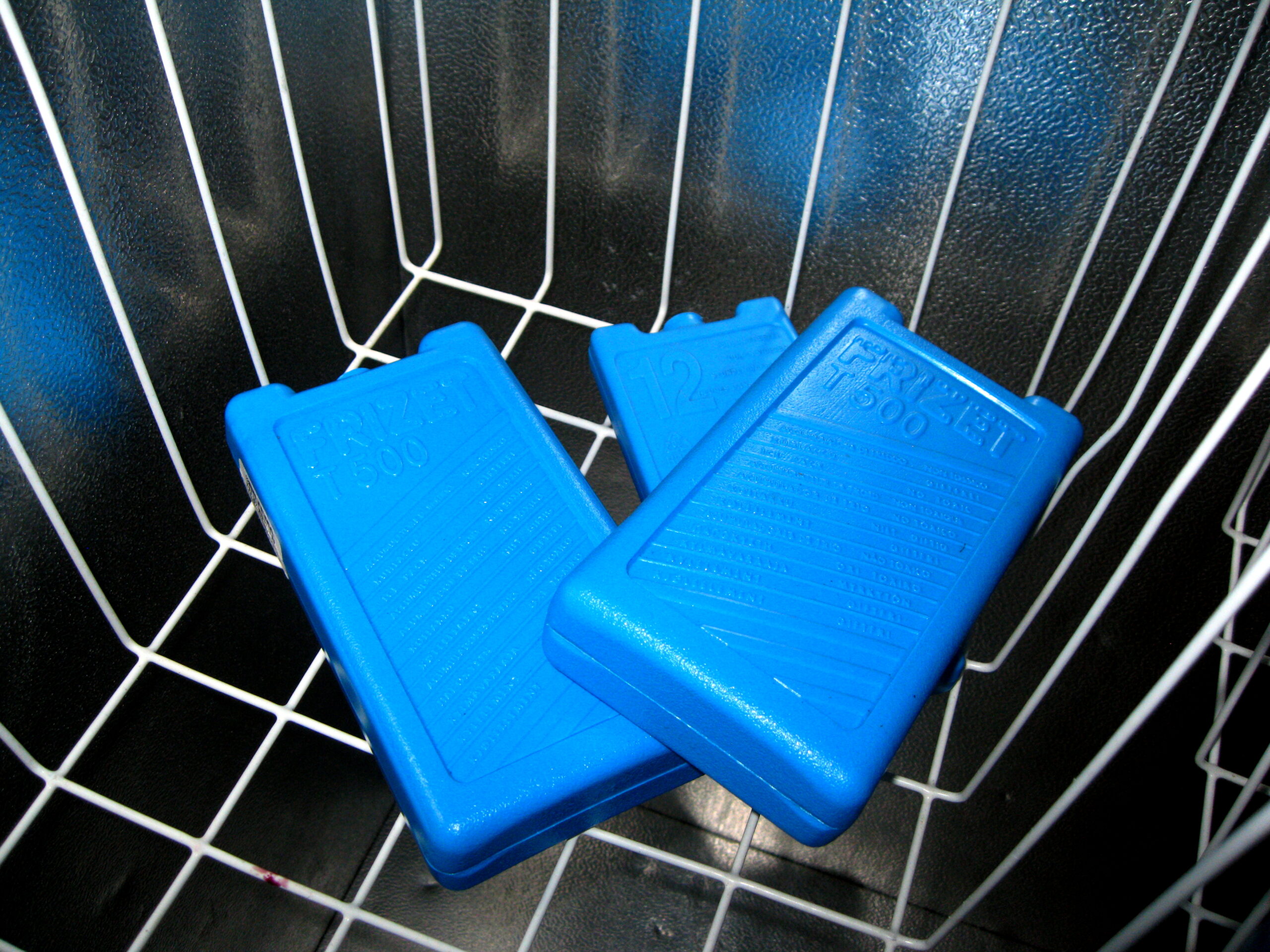
For cold transport, use chilled food, an insulated bag and at least two cold sources. Before relying on the arrangement, check its temperature at the intended eating time under representative conditions. The official cold-storage target remains 4°C/40°F or below. (foodsafety.gov)
For hot holding, follow the exact jar’s instructions. For example, the Thermos FUNtainer F310 guide specifies preheating with hot tap water for 5–10 minutes, emptying it, then adding the contents. It also requires clearance for the lid and prohibits microwave heating of the jar. Do not replace model-specific directions with a generic preheating tip. (cdn.shopify.com)
Check every cooked component. Hot dal in a suitable jar does not establish that rice in a separate ordinary box has stayed safely hot.
As a practical verification exercise, pack the intended portions and measure the food temperature at your normal lunchtime. Repeat when the portion, container or journey changes. Treat this as a check on that arrangement—not a guaranteed safe duration for all weather and delays.
If you cannot maintain cold or hot holding, change the meal rather than relying on lukewarm storage. US guidance says to discard perishable food left at room temperature for more than two hours, or one hour when exposed to temperatures above 32°C/90°F. These are discard limits, not recommended transport targets. (foodsafety.gov)
7. Keep roti separate and maintain the seals
Give roti its own clean, dry compartment or food-suitable wrap. For your first packing trial, compare laying the rotis flat with folding them; choose the arrangement that fits without forcing the lid. Check the texture at lunch and adjust the packing next time.
Do not let a preference for softer roti change the temperature plan for the dal and rice.
After lunch, clean the containers and all removable parts according to their instructions. The Thermos F310 guide notes that food can become trapped under gaskets. It directs users to wash parts separately, dry them completely and reinstall the food-jar gasket with its flat side facing the lid. That orientation is specific to this design. (cdn.shopify.com)
Before the next use, check for:
- Food residue around the sealing surfaces.
- A missing, worn or misaligned gasket.
- A lid that no longer closes normally.
- Parts reassembled differently from the manual.
Missing, worn or incorrectly positioned gaskets can cause leakage; do not compensate by forcing the closure. Follow the maker’s replacement instructions. (cdn.shopify.com)
The final packing check is simple: Does the meal fit? Is the dal closure suitable? Will every perishable component remain temperature-controlled until eating? A lunch-box layout is useful only when it answers all three.